
What war in the middle east will mean for the environement ?
War is often discussed in terms of politics, economics, and human cost—but its environmental consequences can be just as far-reaching.
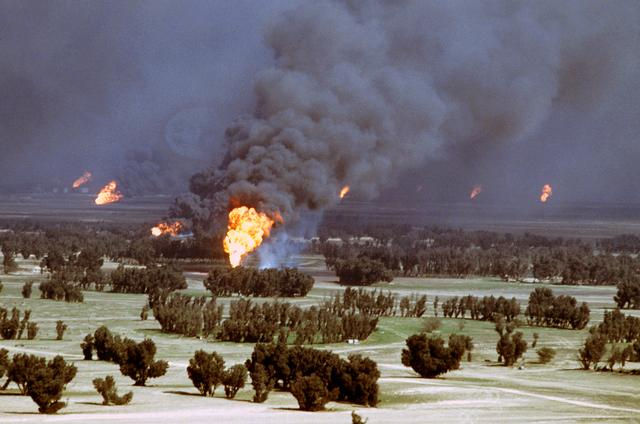
In the Middle East, a region already facing water scarcity and fragile ecosystems, conflict can intensify existing environmental challenges in lasting ways.
One of the most immediate effects of war is damage to infrastructure. Oil facilities, pipelines, and industrial sites can be destroyed or set ablaze, releasing pollutants into the air, soil, and water. Past conflicts in the region have shown how oil spills and fires can devastate marine life and contaminate coastlines for years.
Water resources are another critical concern. Many Middle Eastern countries rely on limited freshwater supplies, and war can disrupt water treatment plants, pipelines, and desalination facilities. This not only affects human populations but also harms agriculture and local ecosystems that depend on stable water access.
Land degradation is also common in conflict zones. Military activity, including heavy vehicles and explosives, can damage soil structure and vegetation. Over time, this can contribute to desertification an issue the region is already struggling with due to climate change.
Wildlife doesn’t escape the impact either. Habitats are destroyed, migration patterns are disrupted, and conservation efforts often come to a halt during prolonged instability. Protected areas may no longer be monitored, leaving species vulnerable to poaching and habitat loss.
While the environmental toll of war is often less visible than other consequences, it can linger long after the fighting stops. Recovery can take decades, requiring coordinated efforts to rebuild infrastructure, restore ecosystems, and manage resources sustainably.
Understanding these impacts is important not just for the region, but for a global audience. Environmental damage doesn’t respect borders, and its effects can ripple far beyond the conflict itself.
Written by Noor Ibrahim, University of Warwick



Comments